Large language models like ChatGPT can hold simple conversations, summarize text and even generate code. Yet when retailers try to plug a generic chatbot into an e‑commerce site, they quickly discover that it falls short. This article explains the limitations of out‑of‑the‑box ChatGPT for online commerce, why integration with databases and retrieval‑augmented generation (RAG) is critical, how privacy concerns complicate deployment, and how the emerging trend of agentic AI calls for a more deliberate architecture.
Ready to implement AI?
Get a free audit to discover automation opportunities for your business.
Limitations of generic ChatGPT models
No emotional intelligence for purchasing decisions
ChatGPT excels at pattern recognition but lacks the human qualities that drive many retail purchases. In a blog examining ChatGPT for retail, its creator Sam Altman called ChatGPT "incredibly limited," and that emotional factors influence about 70 % of buyer decisions. The article questions whether an AI assistant can match the emotional quotient of a human salesperson and stresses that human intelligence remains irreplaceable for tasks requiring creativity and uniqueness. Out‑of‑the‑box ChatGPT therefore struggles to persuade or empathize with customers—important traits for conversion and brand loyalty.
Static knowledge and hallucinations
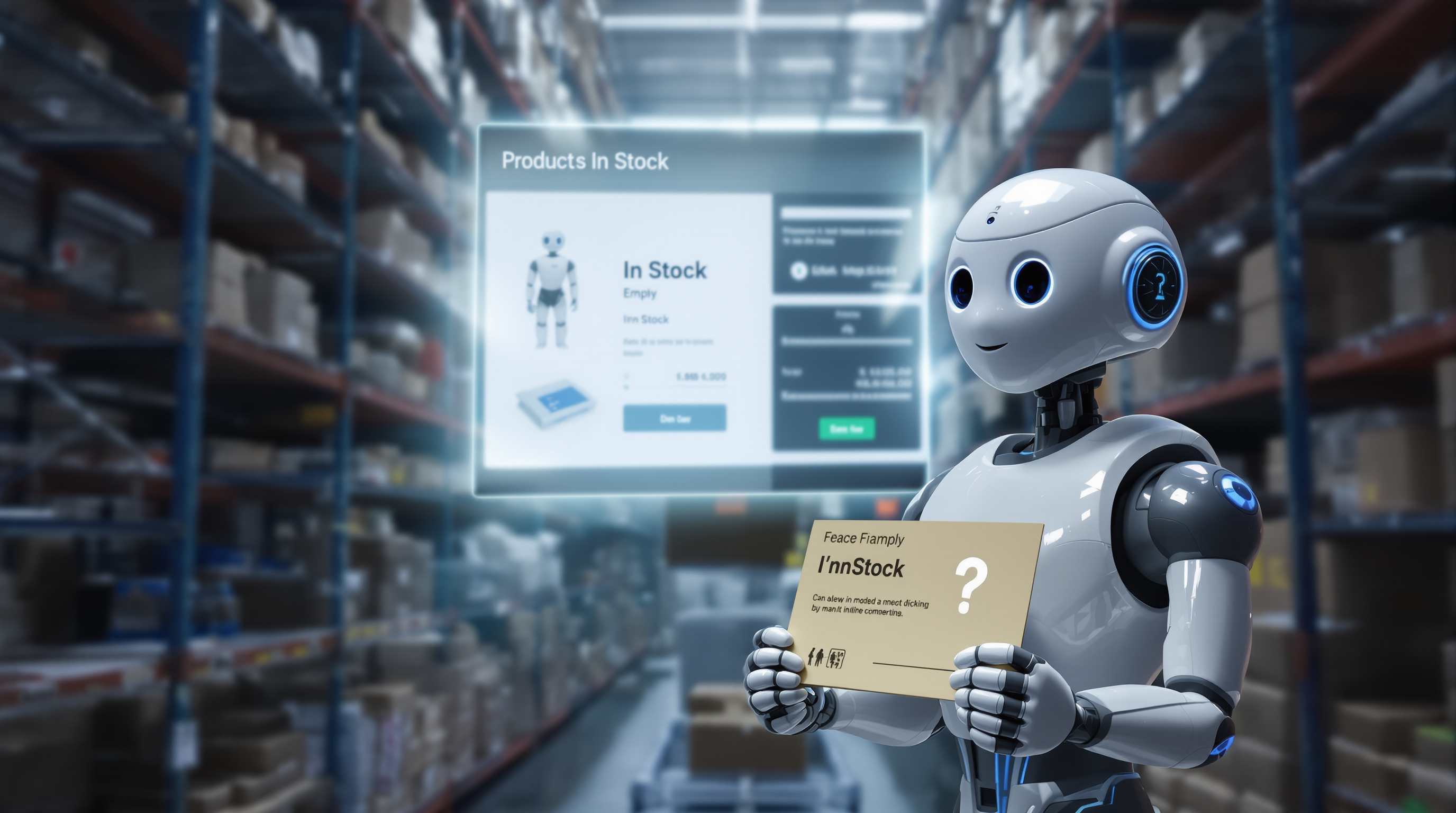
Standard ChatGPT models rely on a fixed training corpus and cannot access live product catalogs or inventory data. Language models are prone to "hallucinations"—plausible but incorrect outputs—because they lack real‑time information and are trained to generate text that resembles a correct response rather than verifiable facts. They also suffer from a knowledge cutoff, meaning they are unaware of events or products introduced after their last training update. As a result, a generic model might recommend out‑of‑stock items, misprice products or invent shipping policies.
No direct integration with databases
ChatGPT is not natively wired into a retailer's database or order management system. A comparison of SQL copilots notes that ChatGPT gives clear explanations but lacks direct database integration. Without schema awareness, it may reference non‑existent columns or tables. For e‑commerce, this means a generic model cannot query live inventory, update prices or process orders without additional tooling. It can only simulate queries when provided with explicit schema details, which is impractical for large catalogues.

Privacy and data‑security concerns
Deploying ChatGPT in commerce raises significant privacy questions. Experts warn AI chatbots can threaten user privacy. Even using an accountless version only limits the amount of personal information collected; any data provided to the chatbot may still be used for training. If users sign in, third‑party logins can expose personal data to multiple services, and features like "memory" store personal details for personalization. In a retail context, storing a customer's order history or payment details in a generic AI model without strict controls could violate data‑protection laws and erode consumer trust.
Why retailers need integration, RAG and robust architecture
Linking chatbots to live databases
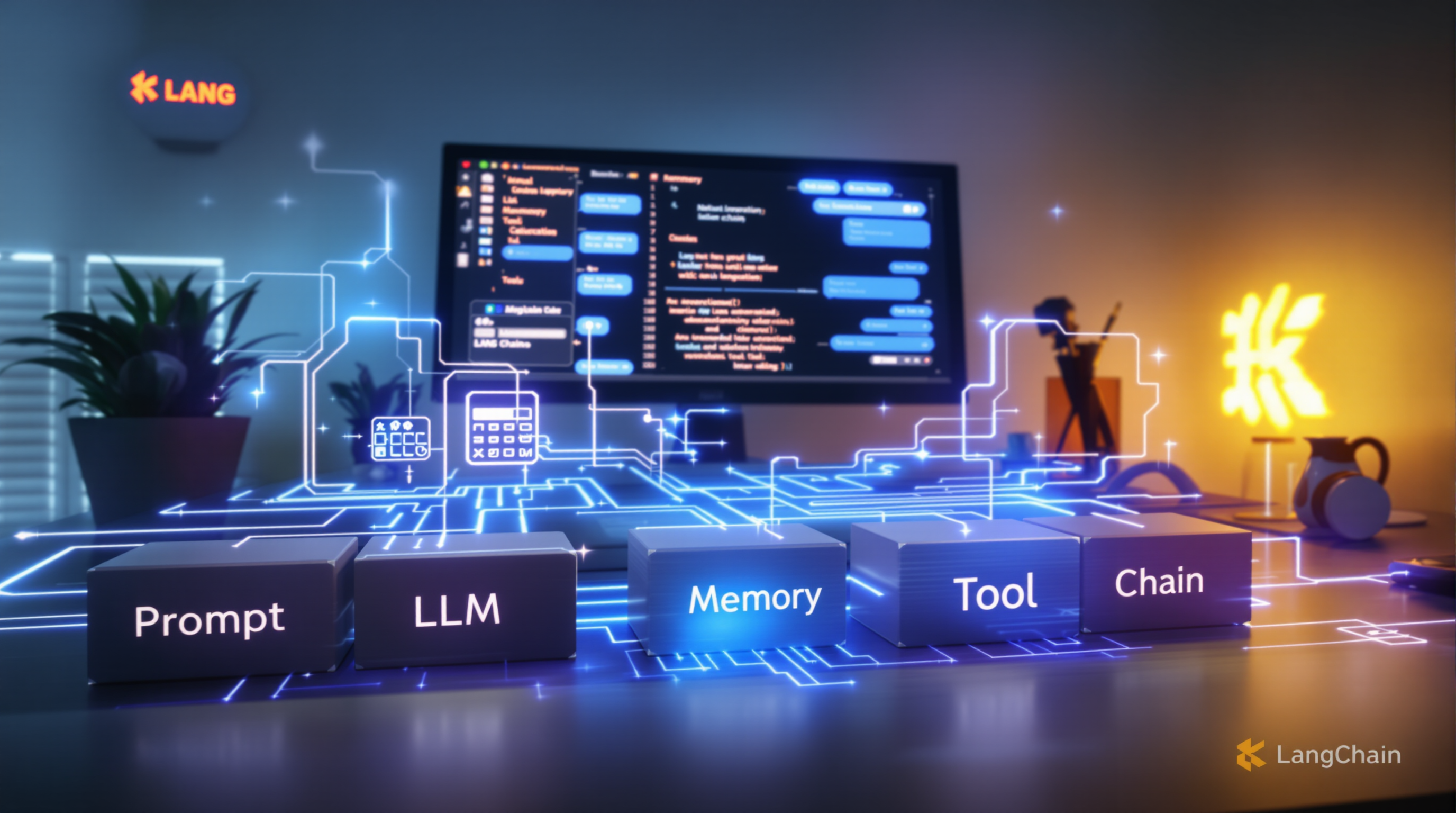
To make product recommendations, check inventory, or process orders, an AI assistant must access the retailer's databases. This requires middleware that can authenticate the AI request, authorize access, and map natural‑language queries to the database schema. Without such integration, ChatGPT can only provide general advice; it cannot confirm stock levels or personalize offers. Tools like LangChain or bespoke APIs allow developers to embed schema knowledge into prompts and translate queries into secure database calls, but these must be built deliberately.
Incorporating retrieval‑augmented generation
RAG combines a language model with a search component that retrieves relevant documents or data before generating a response. RAG reduces hallucinations by grounding responses in up‑to‑date information from external sources. When a user asks about product availability or return policies, the retrieval module pulls the latest data from product catalogues or knowledge bases, and the model generates an answer with appropriate citations. RAG also enhances transparency because users can see which documents informed the response. In practice, implementing RAG involves connecting the model to a vector database and building a pipeline to retrieve documents and pass them into the model. The quality of results depends on the reliability of the retrieved data and the computational resources available.
Designing for privacy and compliance
Responsible deployment requires that retailers treat customer data with care. Best practices include using accountless chatbot versions or anonymizing logins, disabling memory features that store personal details, and being cautious about sharing data with third‑party apps. For e‑commerce, this means building custom interfaces where sensitive data is passed through secure channels, never stored in the model and never used for training. Chatbots should obtain explicit consent before acting on behalf of a customer and provide options to opt out of data collection or AI assistance. Regular audits and compliance with regional privacy laws (e.g., GDPR or the EU AI Act) are essential.
The rise of agentic AI and the need for thoughtful architecture
What is agentic AI?
Agentic AI moves beyond basic chatbots to systems composed of autonomous agents that can plan, reflect, and coordinate with other agents. Autonomous shopping assistants are evolving from simple recommendation engines to personal retail agents that search across retailers, compare prices, monitor promotions, complete purchases and adapt to preferences. Roughly 39 % of shoppers already experiment with AI in their shopping journeys, rising to 54 % among Gen Z. Multi‑agent supply‑chain orchestration involves specialized agents handling inventory, demand forecasting, logistics and procurement, making adjustments autonomously.
Readiness challenges
Agentic AI promises hyper‑personalized commerce, but retailers must overcome barriers. Agentic systems require comprehensive, high‑quality data and integration across multiple systems; 81 % of retailers cite inefficient processes and technology as obstacles. Legacy systems may not support seamless AI integration, though many retailers are pursuing unified commerce initiatives. Expertise is scarce: 76 % of retailers plan to increase AI investment but lack internal skills to manage these systems. Consumer trust is fragile; only 24 % of shoppers are comfortable sharing data with AI shopping tools, and concerns about privacy and control remain.
Building a future‑proof architecture
To embrace agentic AI without repeating the mistakes of plug‑and‑play chatbots, retailers need a modular architecture that separates data storage, retrieval and generation. Core components include:
Data layer – clean, structured customer, inventory and order data stored in databases and vector stores. This layer supports RAG and gives agents reliable context.
Integration and orchestration layer – APIs and middleware that enforce authentication, authorization and privacy policies while allowing agents to query databases, call external services and trigger workflows.
Agent layer – specialised agents with capabilities like planning, memory and tool use. Agents must be able to collaborate, reflect on past actions and pause for human approval when necessary. Agents should take initiative but remain within clearly defined parameters.
Governance and monitoring – policies and dashboards to audit agent actions, manage data usage, and ensure compliance with regulations and user consents. Retailers should implement strong privacy protections, opt‑in/opt‑out mechanisms and transparent data practices.

Conclusion
Out‑of‑the‑box ChatGPT is useful for drafting responses but insufficient for the demands of modern e‑commerce. Its inability to process live data, lack of emotional intelligence, and potential privacy issues make it risky to deploy without customization. Integrating chatbots with databases and implementing RAG can ground answers in real‑time information and reduce hallucinations, while robust privacy practices safeguard customer trust. Looking ahead, the rise of agentic AI points toward autonomous systems that can shop, forecast and personalize on their own. To harness these benefits, retailers must invest in thoughtful architecture—connecting data sources, orchestrating agents, and embedding strong governance—so that AI becomes a trusted ally rather than a liability.