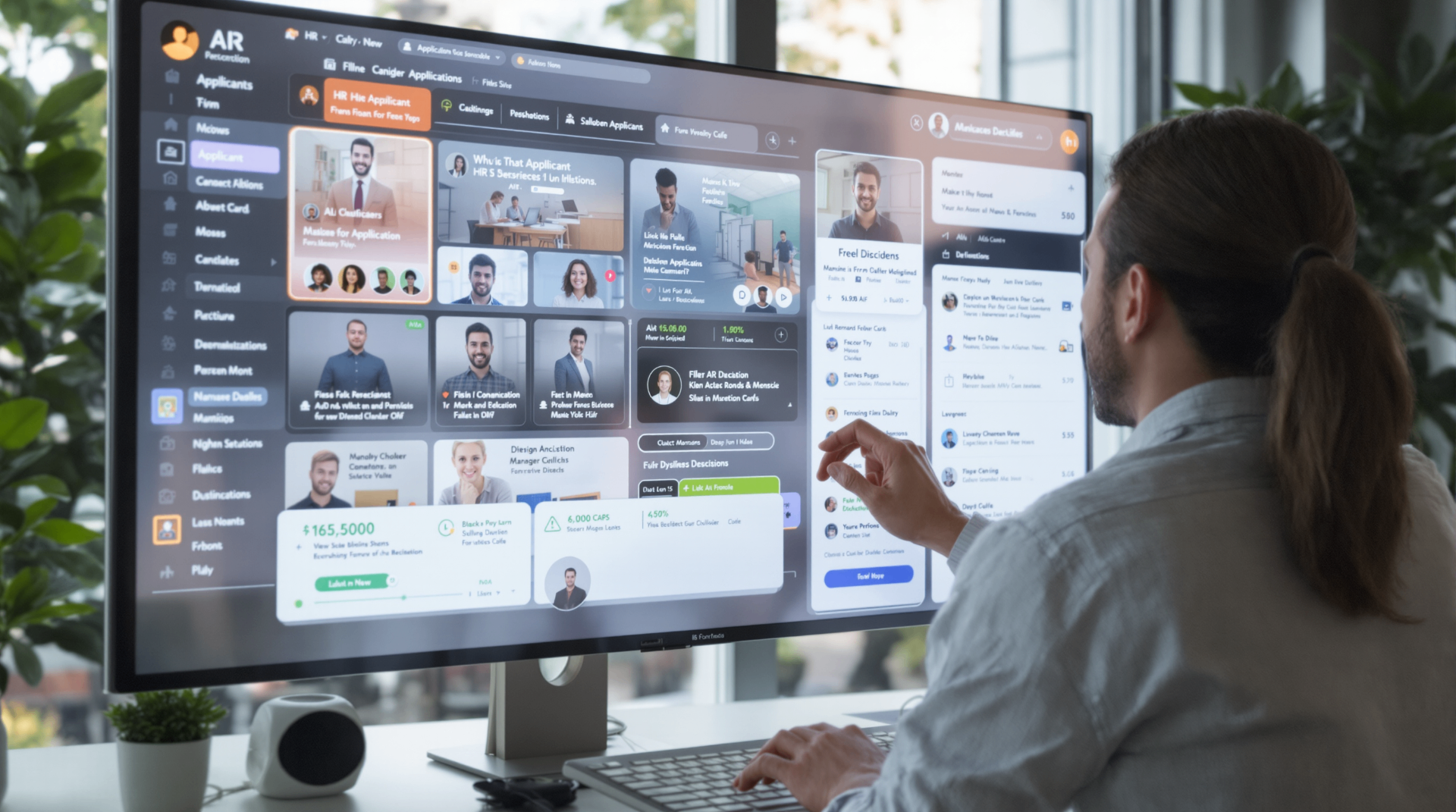
As artificial intelligence continues to automate mundane tasks, some people ask whether companies can simply let go of their entire staff and let machines run the show. This is a misleading question. Automation can transform workflows, but it doesn't eliminate the need for people. According to Imaginovation's 2025 automation trends report, up to 50% of workplace tasks can be automated. That still leaves at least half of today's activities in the hands of humans. More importantly, tasks are not the same as jobs: most roles consist of many different activities—some repetitive, others that demand judgment, creativity and interpersonal skills.
Ready to implement AI?
Get a free audit to discover automation opportunities for your business.
Automation's true scope

Automation excels at well-defined, repetitive processes. Robotic Process Automation (RPA) bots can input data or move files much faster than a person. Machine-learning models can classify invoices, flag fraud or generate first-draft content. Automating these tasks frees employees to focus on strategic work, improves consistency and reduces errors. This is why analysts estimate that around half of current tasks could be automated.
But automation has limits. Many functions require contextual understanding, ethical judgment and empathy—traits that algorithms do not possess. Complex problem solving, team leadership, negotiation and creative design still rely on human insight. Moreover, AI systems need high-quality data, training and supervision. Without people to define goals, select appropriate models and review outcomes, automated tools can drift off course.
Humans remain indispensable
Experts emphasise that the future of work is collaborative, not a zero-sum game between humans and machines. In 2025, humans will remain key to unlocking automation's full potential; the future of work isn't about AI replacing jobs but about AI agents empowering people to work smarter. Technology vendors may tout "fully autonomous" systems, but companies that have implemented automation at scale know that human involvement is the critical factor in success. AI agents can handle straightforward cases and flag uncertainties, but final decisions, strategy and ethical oversight still rest with people.
Human involvement also ensures that AI is used responsibly. Humans must establish guardrails, monitor for bias and uphold fairness, privacy and compliance. Collaboration between domain experts and technologists keeps solutions grounded in reality and aligned with business goals. Without this partnership, automation projects can misinterpret data, replicate existing biases or create unintended consequences.
Building an augmented workforce
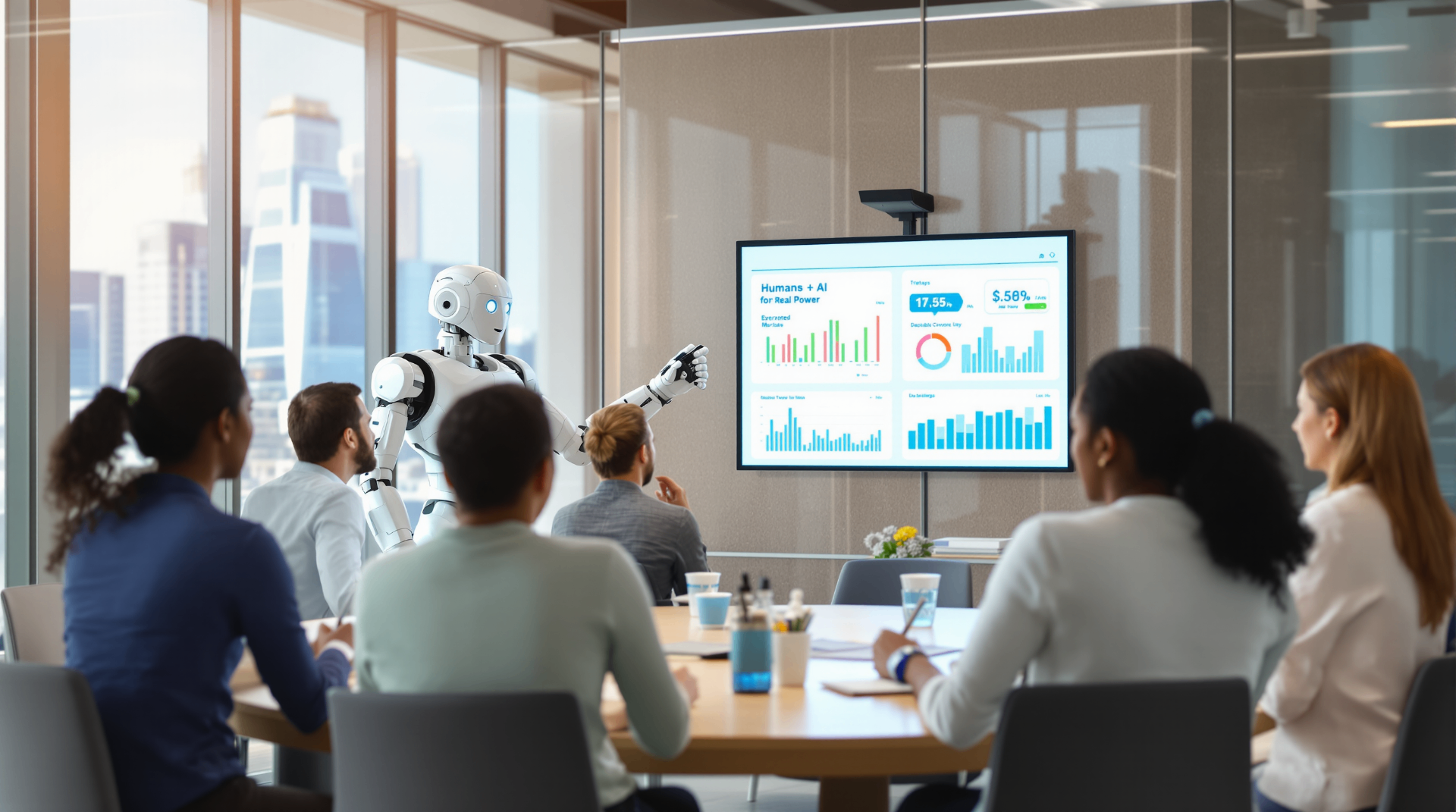
Rather than asking whether AI can replace entire teams, forward-thinking leaders focus on building an augmented workforce in which humans and machines complement each other. When a bot processes routine paperwork, employees gain time for high-impact work—cultivating client relationships, refining product strategies or innovating new services. When an AI model flags anomalies, analysts investigate root causes and develop corrective actions. When generative models draft communications, marketers polish the narrative and ensure brand alignment.
This collaboration unlocks productivity gains, improves job satisfaction and creates new roles. History suggests that technology rarely leads to net job loss; instead, it changes the nature of work. Jobs evolve, and organisations that invest in reskilling and upskilling equip their teams to thrive alongside AI.
Conclusion
The question "Can we fire everyone and let AI run the business?" misunderstands how automation works. While about half of today's tasks can be automated, entire jobs encompass far more than routine activities. Human judgment, creativity and oversight remain essential, and research shows that AI's full potential is realized only when humans stay in the loop. Companies that use AI to complement—not replace—their workforce will be better positioned to innovate, adapt and grow in an increasingly automated world.