When discussing artificial intelligence with a chief executive, it's tempting to focus on technical wizardry or hype. Yet most CEOs are less interested in algorithms and more concerned with how AI will advance their business strategy. Clear, honest communication is crucial: it builds trust, sets realistic expectations and positions AI as a tool for value creation. Here's a guide to what CEOs really want to hear—and what statements are better left unsaid.
Ready to implement AI?
Get a free audit to discover automation opportunities for your business.
What CEOs want to hear
1. A focus on business outcomes
Highlight how AI can boost revenue, cut costs, improve customer experience or accelerate decision‑making. Use concrete examples from your industry and tie them to key metrics the CEO cares about. Emphasise that AI is not a side project but a means to achieve strategic goals.
2. A roadmap that starts small and scales
Explain that successful AI initiatives often begin with a targeted pilot and expand based on measurable success. Outline the timeline, resources needed and expected return on investment. This reassures executives that you understand risk management and will deliver quick wins before asking for more budget.

3. Clarity on data and infrastructure
CEOs want assurance that the organisation's data is ready and that privacy, security and compliance have been addressed. Discuss how you will source, clean and govern data, and whether existing systems can support AI workloads or require upgrades. Demonstrating technical readiness shows you're thinking beyond the proof of concept.
4. Alignment with company culture and talent
Explain how AI will augment employees' capabilities rather than replace them. Share plans for upskilling teams and engaging cross‑functional stakeholders. CEOs care about morale, retention and ethical implications; addressing these topics proactively builds confidence.
5. A plan for governance and ethics
Senior leaders increasingly recognise that AI brings risks: bias, privacy breaches, reputational damage. Discuss how fairness, inclusion and sustainability will be built into model development and decision‑making processes. Present a governance framework that includes oversight, transparency and accountability.

What to avoid saying
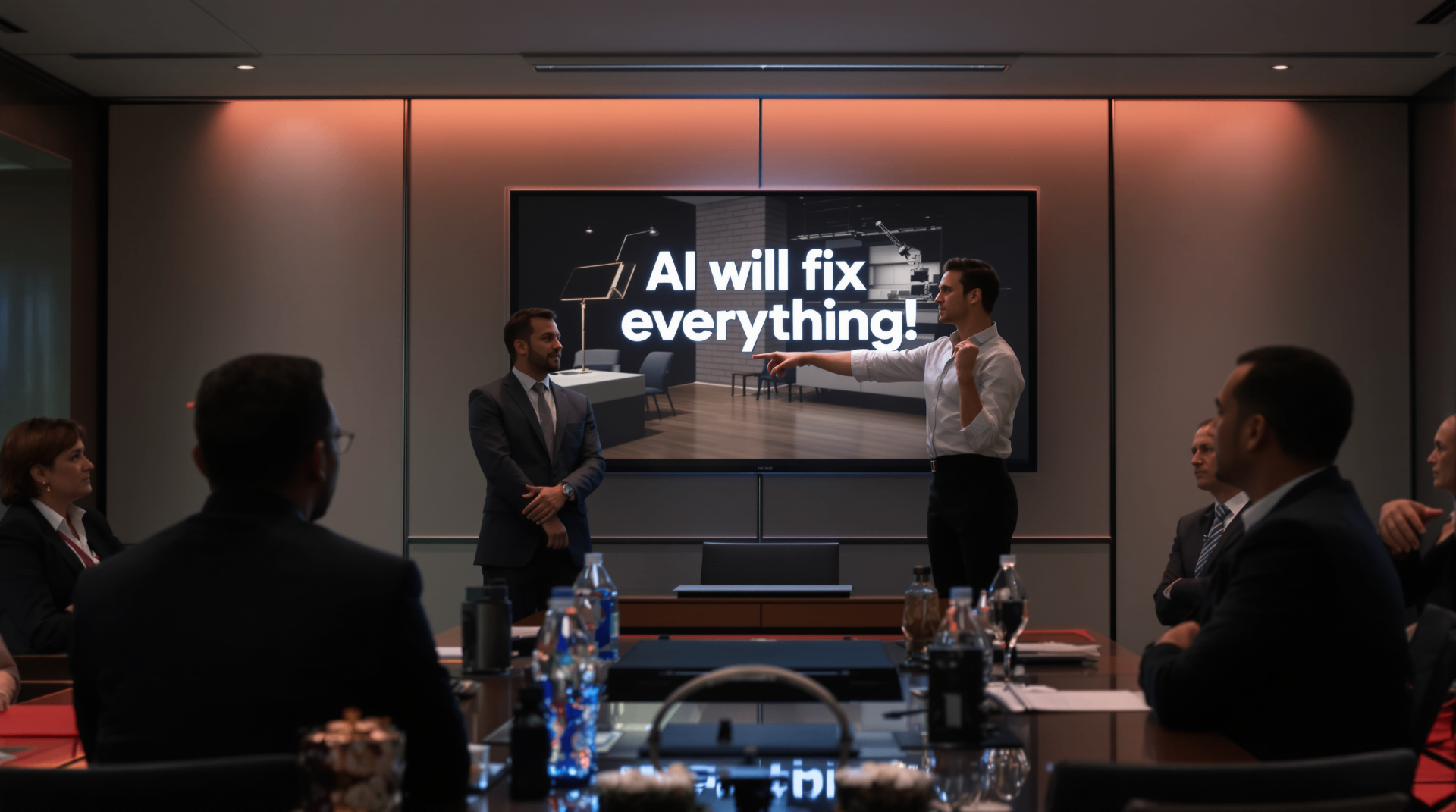
1. "AI will solve everything"
Over‑promising breeds skepticism. Avoid framing AI as a magic wand that will fix all business challenges. Instead, position it as a powerful tool that amplifies existing strengths and exposes weaknesses. Be clear about its limitations and the need for human judgment.
2. "We just need more data"
While data is critical, quality and relevance matter more than sheer volume. Don't suggest that hoarding data alone will unlock AI's potential. Explain how you will ensure data accuracy, mitigate bias and comply with regulations.
3. "Everyone is doing it—so should we"
Fear of missing out is not a strategy. CEOs want to know why AI makes sense for their specific business, not because competitors are jumping on the bandwagon. Provide a tailored rationale based on the company's objectives and market position.
4. "It's plug‑and‑play"
Off‑the‑shelf models and APIs can accelerate development, but AI integration is rarely effortless. Downplaying the complexity of deployment, change management and maintenance will backfire when challenges arise. Set expectations about the work required to integrate AI with legacy systems and workflows.
5. "We can worry about ethics later"
Ignoring fairness, inclusion and transparency is a red flag. CEOs are increasingly accountable to regulators, investors and customers for responsible AI use. Postponing ethical considerations can lead to costly errors and reputational harm. Address these concerns up front.
Conclusion
Conversations with CEOs about artificial intelligence should balance ambition and pragmatism. Focus on business impact, scalability, data readiness, cultural fit and ethical safeguards. Avoid hype, vague promises and dismissing risks. When you speak to a CEO's priorities—growth, resilience, people and reputation—you turn AI from a buzzword into a strategic asset. Through honest dialogue, you build the foundation for initiatives that deliver lasting value.